Indoor Microclimate Architecture — Nigeria
The quiet discipline of regular room ventilation.
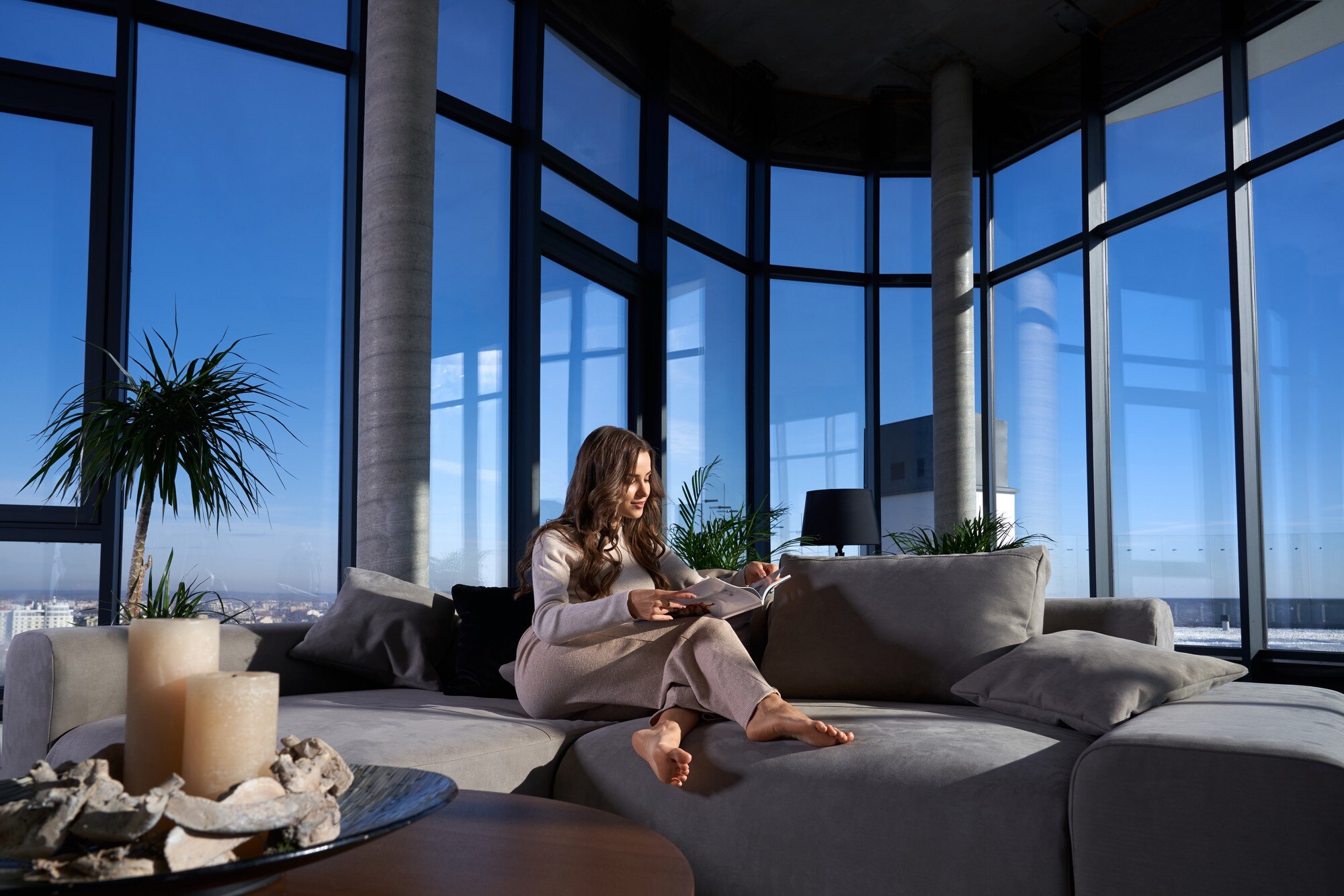
Across modern residences in Lagos, Abuja, and Port Harcourt, tightly sealed windows and continuous cooling often trap stale air and excess moisture. Intentional daily airing restores a crisp, balanced interior atmosphere that supports effortless everyday comfort.
Editorial Premise
Why sealed interiors lose their equilibrium.
Every occupied room continuously accumulates carbon dioxide, airborne dust, cooking vapors, and ambient humidity. Without scheduled air exchange, even a spotless living room gradually develops a heavy, stagnant feel that makes indoor hours feel noticeably more fatiguing.
Regular ventilation is not simply about cooling a room down. It is an architectural habit that replaces stagnant indoor pockets with fresh outdoor air, moderating dampness and keeping living quarters pleasant for daily movement, quiet focus, and evening rest.
Core Microclimate Pillars
Three measurable indicators of indoor comfort
Maintaining a pleasant domestic atmosphere depends on how consistently fresh air interacts with indoor temperature and moisture levels.
40% – 60% Humidity
Keeping indoor relative humidity within a moderate middle band helps prevent clammy walls during coastal rains and overly dry interiors during the Harmattan season.
10 – 15 Min Cycles
Short, deliberate bursts of cross-ventilation through opposite windows refresh room air far more efficiently than leaving a single window slightly ajar all afternoon.
Gentle Air Movement
Balanced natural airflow avoids the harsh, concentrated cold drafts produced by over-chilled air conditioners, fostering an even, comfortable room environment.
Everyday Physical Ease
Comfort begins with the atmosphere you move through.
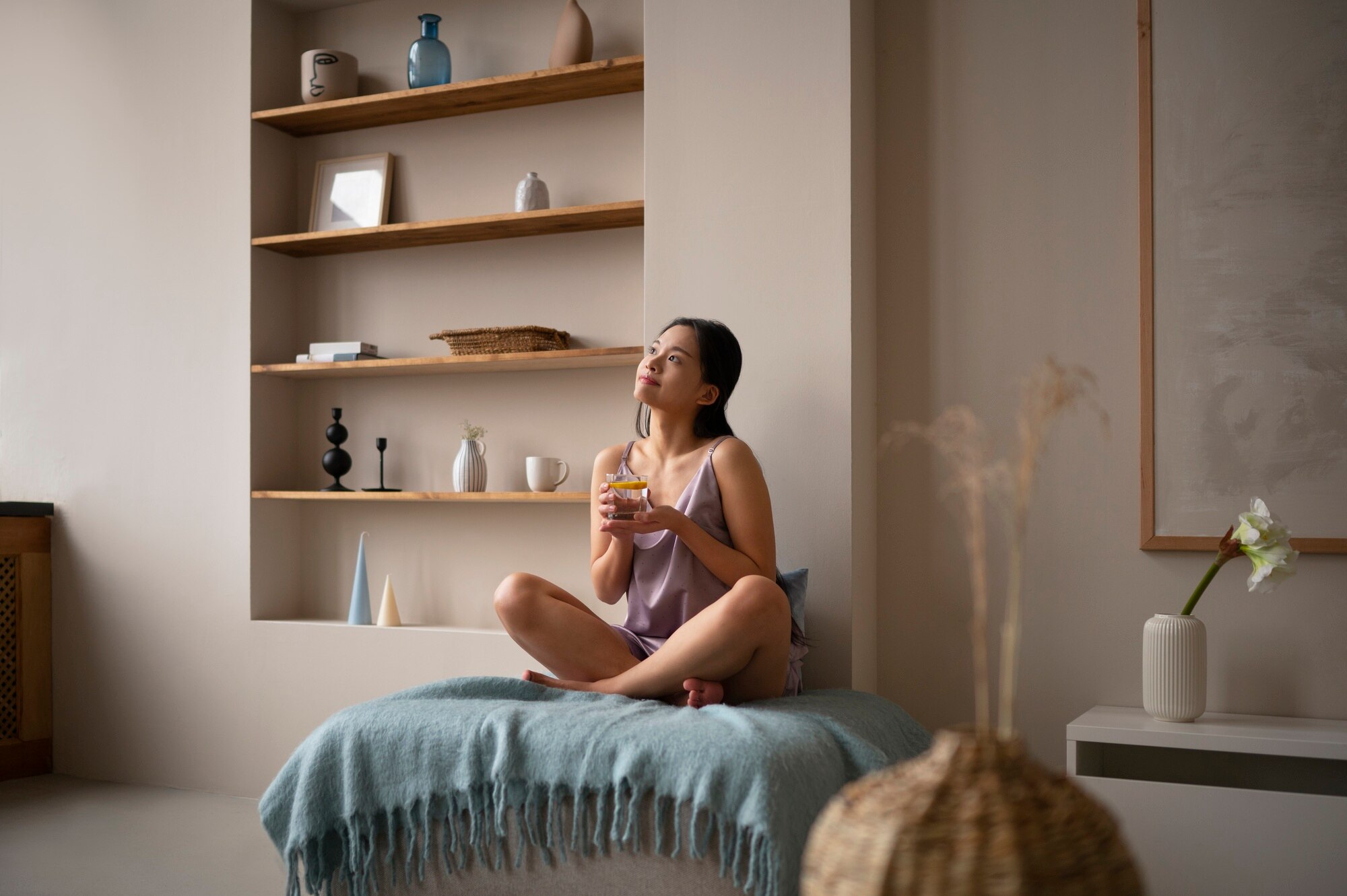
Indoor spaces that swing abruptly between heavy humidity and icy mechanical drafts rarely feel restful. People who spend long hours working at a desk, stretching at home, or relaxing in the evening frequently notice how much more welcoming a room feels when its temperature and air quality remain steady.
- I. Reduces indoor dampness that makes fabrics, flooring, and seating feel cool and clammy in the morning.
- II. Prevents direct, localized cold blasts from air vents by encouraging softer room-wide thermal distribution.
- III. Supports a crisp, odor-free home setting suited to light daily routines, reading, and unhurried rest.
Comparative Perspective
Sealed Rooms vs. Regularly Ventilated Interiors
| Environmental Aspect | Continuously Sealed Room | Scheduled Daily Ventilation |
|---|---|---|
| Air Freshness | Recirculated air accumulates stuffiness and lingering household scents. | Consistent outdoor dilution maintains a neutral, crisp interior feel. |
| Moisture Behavior | Condensation collects near cold surfaces, windows, and corners. | Excess vapor dissipates naturally during morning and evening airing. |
| Thermal Sensation | Sharp contrast between direct cooling vents and stagnant warm pockets. | More uniform ambient warmth and gentler air circulation across rooms. |
| Energy Footprint | Heavy reliance on continuous mechanical cooling throughout the day. | Complements passive shading to ease load on household cooling units. |
Common Questions
Practical considerations for Nigerian homes
When is the most effective time of day to air out an apartment in Lagos or Abuja?
Early morning between 06:00 and 08:30 offers the coolest, calmest outdoor air before midday solar heat builds up. A second brief cycle after sunset helps release warmth accumulated in masonry walls during the afternoon.
Should windows remain open during the Harmattan dust season?
During hazy Harmattan mornings, shorter airing intervals paired with fine mesh screens or slightly dampened window curtains help refresh indoor air while limiting the amount of fine dust entering living spaces.
Does air conditioning replace the need to open windows?
Most residential split-unit air conditioners cool and recirculate the existing air inside a room rather than drawing fresh air from outdoors. Switching off the unit briefly each morning to allow natural cross-ventilation keeps the room feeling fresh.
What if a room only has windows on a single exterior wall?
Opening the interior door to an adjoining hallway or opposite room creates a functional airflow path. Placing a standing fan angled toward an open window for ten minutes can also assist in drawing stale air outward.
Continue Reading
Design a daily ventilation rhythm suited to your climate.
Explore our seasonal breakdown of Rainy and Harmattan airflow strategies, or write to our editorial desk with questions about residential microclimate practices.