Field Guide 02 — Indoor Equilibrium
Thermal balance and everyday ease indoors.
Temperature alone never tells the full story of a room. Humidity, air stillness, and direct drafts shape how comfortable a space feels during daily routines and evening rest.
Sensory Environment
Why steady microclimates feel more welcoming than cold blasts.
In many urban homes and offices, cooling units are set to very low temperatures to compensate for stale, humid air. While this creates an immediate chill, sitting directly beneath a sharp cold stream for hours often leaves a space feeling uneven and uncomfortable.
Pairing regular natural ventilation with moderate indoor temperatures creates a far gentler environment. When moisture is kept in check and fresh air circulates smoothly, residents can move, work, and unwind at home without sharp thermal contrasts between rooms.
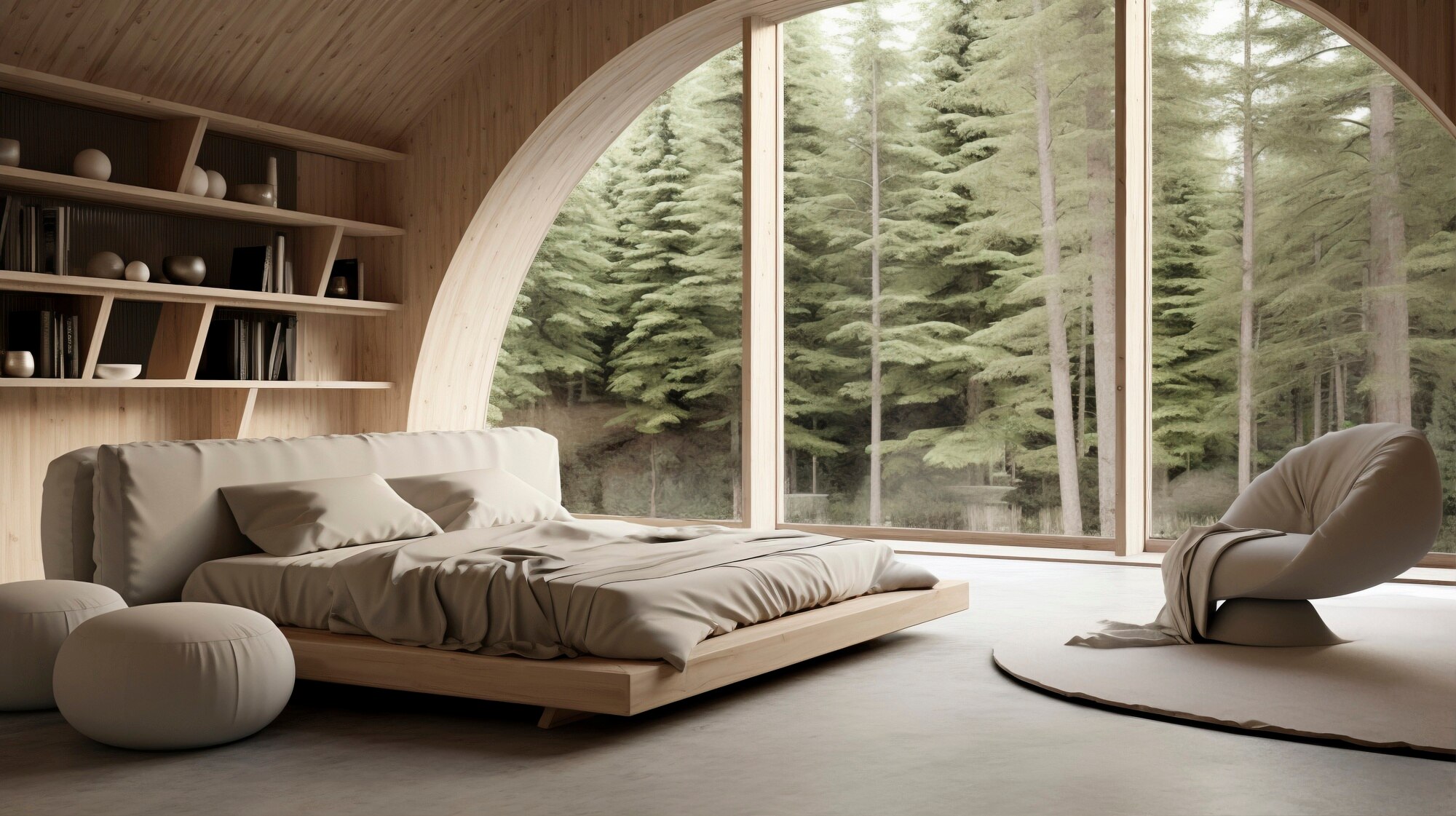
23°C – 26°C
A moderate indoor range that feels calm and pleasant in tropical climates without creating a jarring contrast when stepping outdoors.
Zero Dampness
Consistent air turnover prevents cool condensation on tiled floors and masonry walls during humid mornings.
Indirect Flow
Directing fan louvers upward or toward open walls distributes fresh air softly across seating and sleeping areas.
Room-by-Room Guide
Tailoring airflow to how each room is used
Living & Movement Spaces
Sleeping Quarters
Home Workspaces
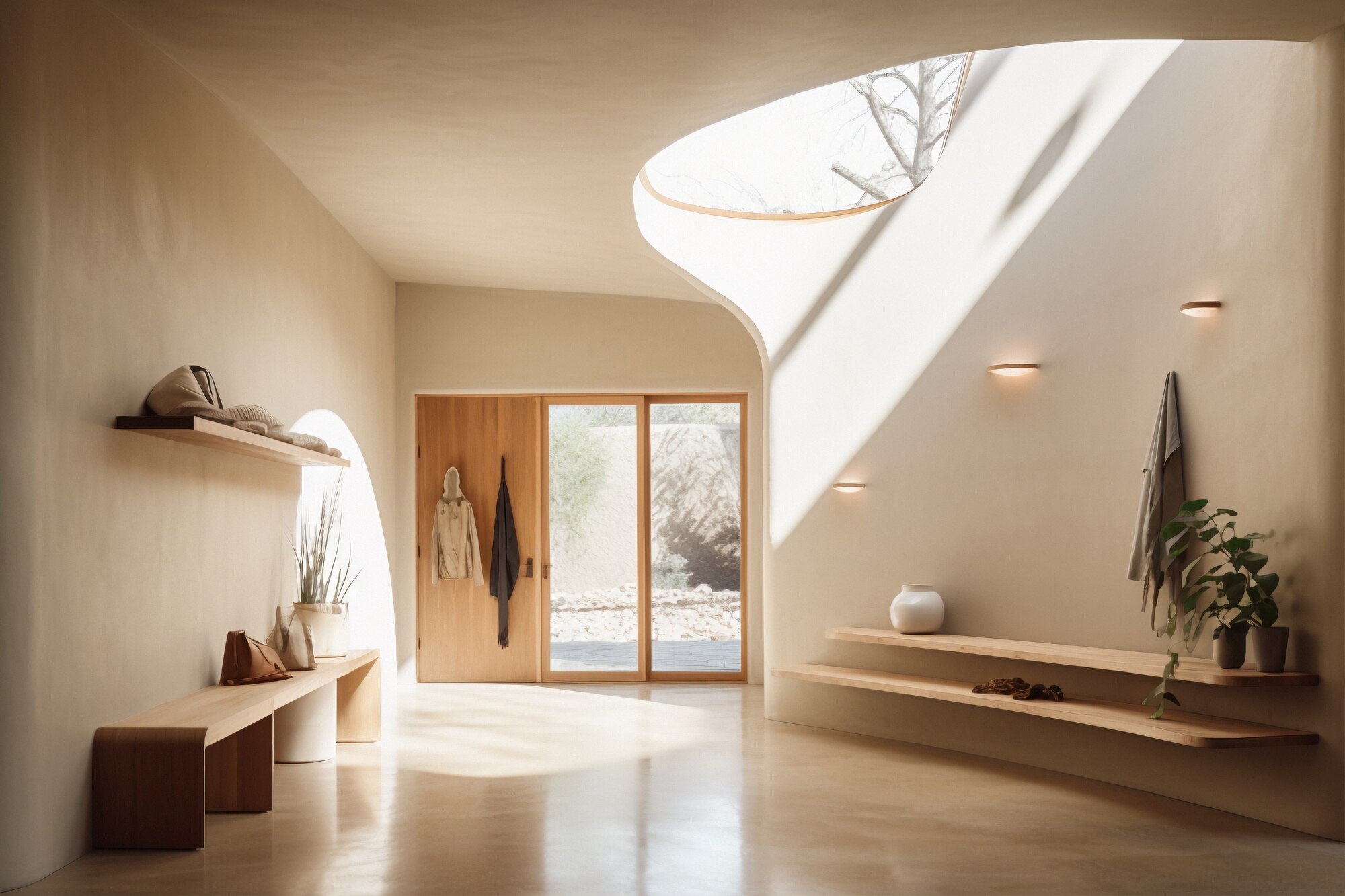
Material Choices
Natural textiles support microclimate stability.
Linen curtains, woven cotton rugs, and breathable upholstery absorb and release small fluctuations in indoor moisture far more gracefully than heavy synthetic plastics, helping ventilated rooms stay pleasant across changing weather.
Practical Checklist
Simple habits for a balanced home
Keep a Desk Hygrometer
A basic digital hygrometer lets you see when indoor humidity rises above 60% so you know when to air out a room.
Clean Window Mesh Monthly
Dust-clogged insect screens restrict natural breeze velocity; a quick rinse restores smooth outdoor airflow.
Reposition Direct Vents
Angle air conditioner blades upward so cooled air settles gradually instead of blowing directly onto seating areas.
Air Out After Cooking
Opening kitchen windows for ten minutes after preparing meals prevents steam and warmth from spreading into hallways.
Editorial Scope & Clarity
Informational guidance on home environments
Dukaceh focuses exclusively on architectural ventilation, indoor comfort, and environmental awareness. While a calm, well-aired room contributes to a more pleasant daily routine, environmental adjustments are not a substitute for personal medical guidance.
Send a question to our editorial desk